





???? ???? CHRISTMAS & THE FLY AGARIC (Amanita Muscaria) ???? ????
The Fly agaric mushroom is a striking resemblance to Christmas, with many folklore theories suggesting it’s the origin of several modern holiday traditions. These connections stem from ancient Siberian shamanic practices that coincided with the winter solstice. Many of these associations are uncanny.
This mushroom has been used for thousands of years in rituals to achieve a higher state of consciousness, reach other realms, and find answers from nature. Shamans from Siberia and the Sàmi people from the Arctic Circle lived entwined with herds of wild reindeer. Preparing the mushroom involved drying it and hanging it from trees, or drying it over a fire in socks. Reindeer were also used to filter the toxic compounds from the mushroom by drinking its urine, which helped to reduce the toxic ibotenic acid and derive the muscimol.
Santa’s Appearance: The vibrant red cap with white spots of the mushroom is widely believed to be the inspiration for Santa Claus’s iconic red and white suit. Some theories suggest that shamans wore red and white fur-trimmed coats while harvesting these mushrooms.
Flying Reindeer: Reindeer in the Arctic are known to seek out and eat fly agaric mushrooms for their psychoactive effects. After consuming them, they may act erratically or “prance around,” which some believe led to the legend of flying reindeer. Siberian shamans also occasionally ingested the filtered urine of these reindeer to experience the hallucinogenic effects without the initial toxins. This vision quest could involve a sensation of flying.
Gift Giving and the Chimney: Siberian shamans would gather the mushrooms and deliver them as “gifts” for winter solstice ceremonies. In areas with deep snow that blocked doors, shamans would enter homes (yurts) through a smoke hole in the roof, similar to Santa’s chimney entry.
Christmas Trees and Ornaments: Fly agarics grow in a symbiotic relationship under pine, spruce, and birch trees, a natural association that may have led to the tradition of putting gifts or mushroom-shaped ornaments beneath a Christmas tree. One method for drying the harvested mushrooms was to hang them on the branches of pine trees or in stockings over the fireplace, mimicking modern decorations and stocking traditions.
Symbol of Luck: In Victorian and Edwardian times, fly agaric was a common symbol of good luck. It appeared frequently on Christmas cards and decorations in Europe, further cementing its place in festive imagery.
While some historians argue these links are tenuous or exaggerated to fit a narrative, the parallels between ancient traditions and modern Christmas imagery are compelling and widely discussed.
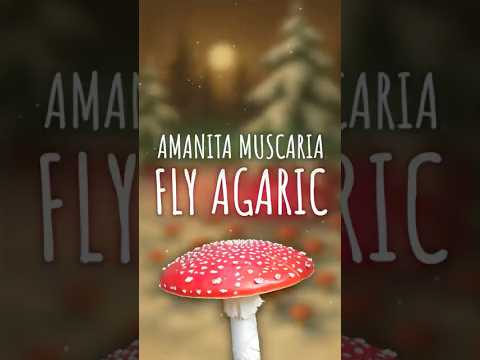
The Amanita family is not to be trifled with. Many people advise against eating mushrooms with white gills that grow from an egg in the ground, known as the universal veil. Once the mushroom erupts, it leaves a volva, which resembles a cup around the base. This is a good general guide, considering the many poisonous and deadly compounds found in this family, particularly the death cap, destroying angel, and panther cap. The Fly agaric mushroom has a red cap with white spots, which are the remnants of the universal veil. The stipe (stem) will have a skirt on it, which is the remains of the partial veil that would have protected the gills until they were ready to spore.
#flyagaric #amanitamuscaria #fairytale #mushroom #mushrooms #fungus #fungi #funghi #walks #outdoors #getoutdoors #getoutside #woodlands #trees #shrooms #???????????? #???? #christmas #presents #reindeer #folklore
The Fly agaric mushroom is a striking resemblance to Christmas, with many folklore theories suggesting it’s the origin of several modern holiday traditions. These connections stem from ancient Siberian shamanic practices that coincided with the winter solstice. Many of these associations are uncanny.
This mushroom has been used for thousands of years in rituals to achieve a higher state of consciousness, reach other realms, and find answers from nature. Shamans from Siberia and the Sàmi people from the Arctic Circle lived entwined with herds of wild reindeer. Preparing the mushroom involved drying it and hanging it from trees, or drying it over a fire in socks. Reindeer were also used to filter the toxic compounds from the mushroom by drinking its urine, which helped to reduce the toxic ibotenic acid and derive the muscimol.
Santa’s Appearance: The vibrant red cap with white spots of the mushroom is widely believed to be the inspiration for Santa Claus’s iconic red and white suit. Some theories suggest that shamans wore red and white fur-trimmed coats while harvesting these mushrooms.
Flying Reindeer: Reindeer in the Arctic are known to seek out and eat fly agaric mushrooms for their psychoactive effects. After consuming them, they may act erratically or “prance around,” which some believe led to the legend of flying reindeer. Siberian shamans also occasionally ingested the filtered urine of these reindeer to experience the hallucinogenic effects without the initial toxins. This vision quest could involve a sensation of flying.
Gift Giving and the Chimney: Siberian shamans would gather the mushrooms and deliver them as “gifts” for winter solstice ceremonies. In areas with deep snow that blocked doors, shamans would enter homes (yurts) through a smoke hole in the roof, similar to Santa’s chimney entry.
Christmas Trees and Ornaments: Fly agarics grow in a symbiotic relationship under pine, spruce, and birch trees, a natural association that may have led to the tradition of putting gifts or mushroom-shaped ornaments beneath a Christmas tree. One method for drying the harvested mushrooms was to hang them on the branches of pine trees or in stockings over the fireplace, mimicking modern decorations and stocking traditions.
Symbol of Luck: In Victorian and Edwardian times, fly agaric was a common symbol of good luck. It appeared frequently on Christmas cards and decorations in Europe, further cementing its place in festive imagery.
While some historians argue these links are tenuous or exaggerated to fit a narrative, the parallels between ancient traditions and modern Christmas imagery are compelling and widely discussed.
The Amanita family is not to be trifled with. Many people advise against eating mushrooms with white gills that grow from an egg in the ground, known as the universal veil. Once the mushroom erupts, it leaves a volva, which resembles a cup around the base. This is a good general guide, considering the many poisonous and deadly compounds found in this family, particularly the death cap, destroying angel, and panther cap. The Fly agaric mushroom has a red cap with white spots, which are the remnants of the universal veil. The stipe (stem) will have a skirt on it, which is the remains of the partial veil that would have protected the gills until they were ready to spore.
#flyagaric #amanitamuscaria #fairytale #mushroom #mushrooms #fungus #fungi #funghi #walks #outdoors #getoutdoors #getoutside #woodlands #trees #shrooms #???????????? #???? #christmas #presents #reindeer #folklore
- Category
- STOCKINGS
- Tags
- #????????, #????, #mushrooms
Post your comment
Up Next
Autoplay
-
48:05

CLOTHES CARE, WILD GARLIC FORAGING & SPRING RECIPES // Fashion Mumblr Vlogs
-
1:04:44
SUNDAY ROASTS & Foraging for Autumn Recipes // Fashion Mumblr Vlogs
-
00:12
Грибы 1 мая Минск # #fungi #грибы #грибы2024
-
11:31
Granate Styling, walking in public, folklore festival #Straznice, #Moravia, minidress, stockings
-
04:19
COP26: Is fungi the future of fashion?
-
05:10

Siobhan Franklin Jones Glamour Lingerie Model
-
05:29
ASMR #094 - Arm scratching with long black nails!
-
01:22

Extreme high heel Kitesurfing
-
00:23

Classy Lady In Latex
-
05:03

Long Nails Actresses From The Series The Colbys. Last Series
 Loading...
Comments